





Questions about your horse?
You need answers now.
Not a chatbot. An AI trained on an equine veterinarian’s clinical brain.
Built by Doug Thal, DVM, DABVP · Lifelong horseman · Full-time equine vet since 1993 · Board certified in equine practice
8,000+
related articles
100,000 +
graded relationships
33 years
years of clinical practice
DABVP
board certified
How the knowledge base works
HSVG follows the same logic your vet uses. Everything connects through a clinical reasoning chain — from what you observe to what it might mean to what can be done.


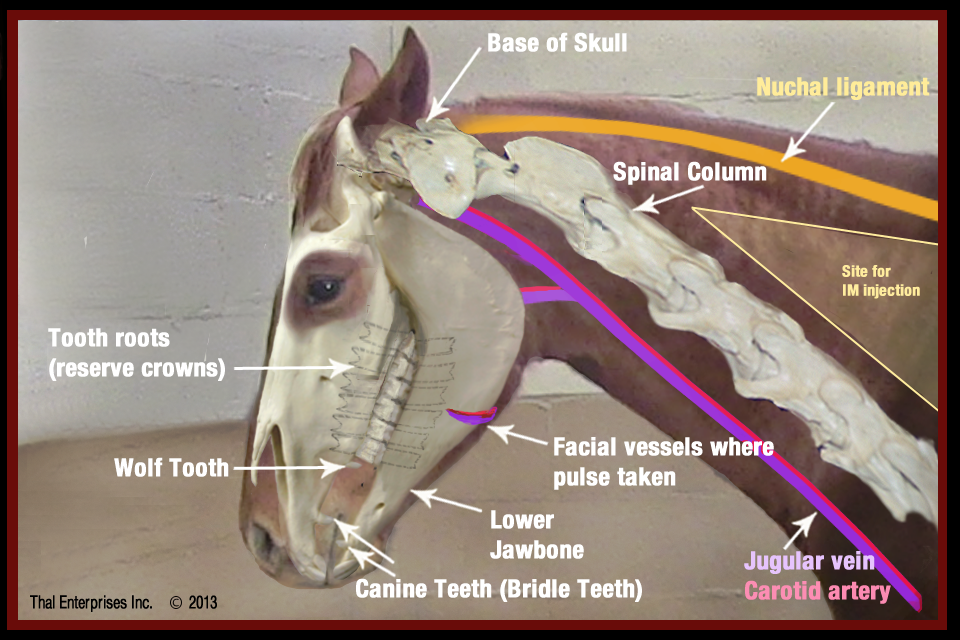
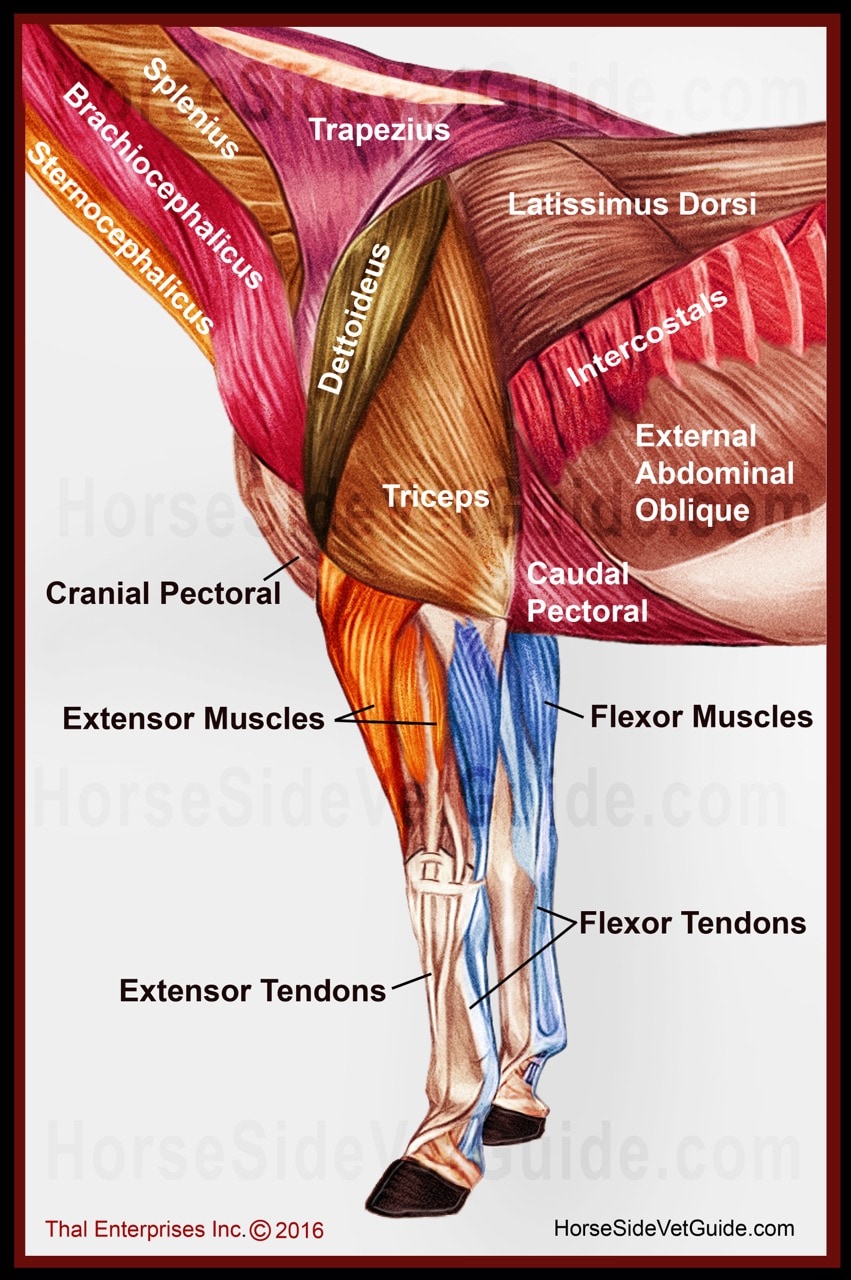
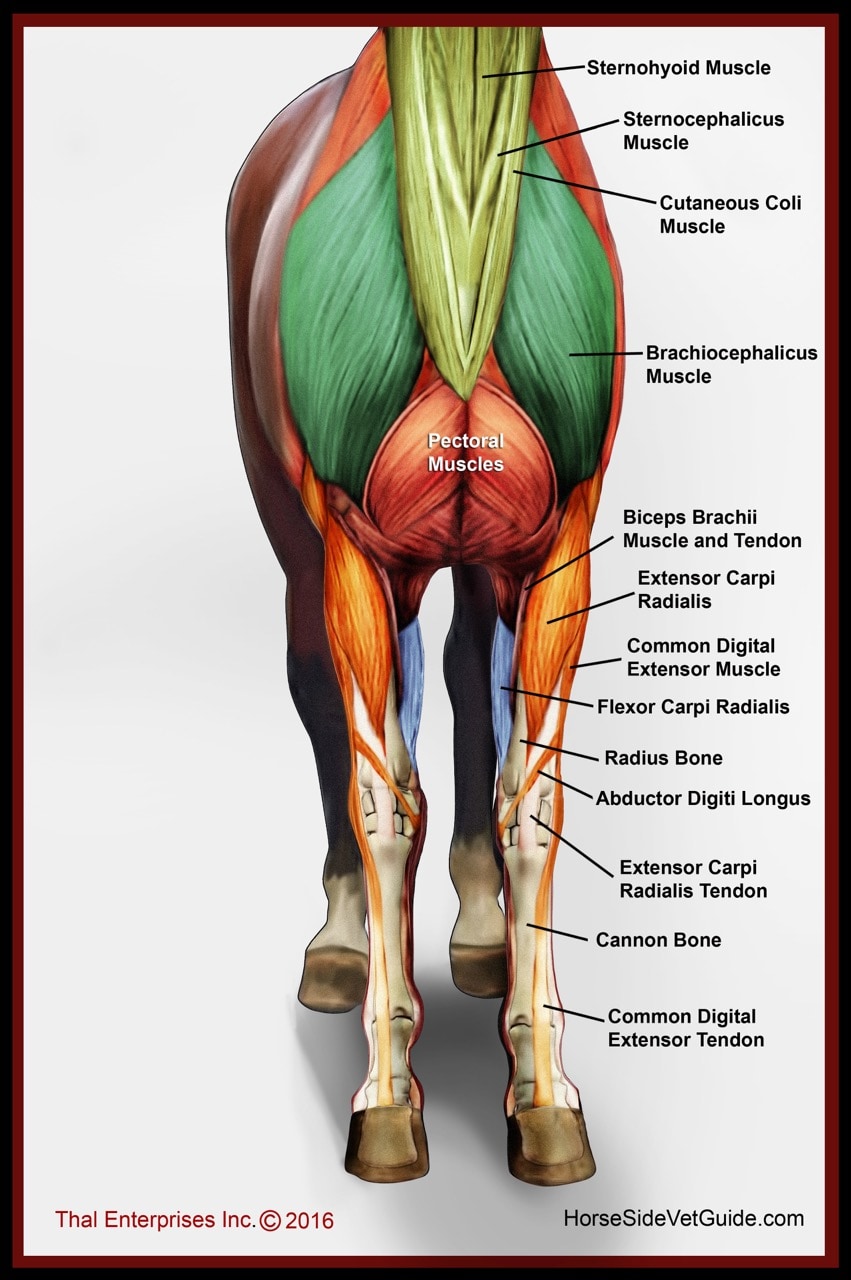
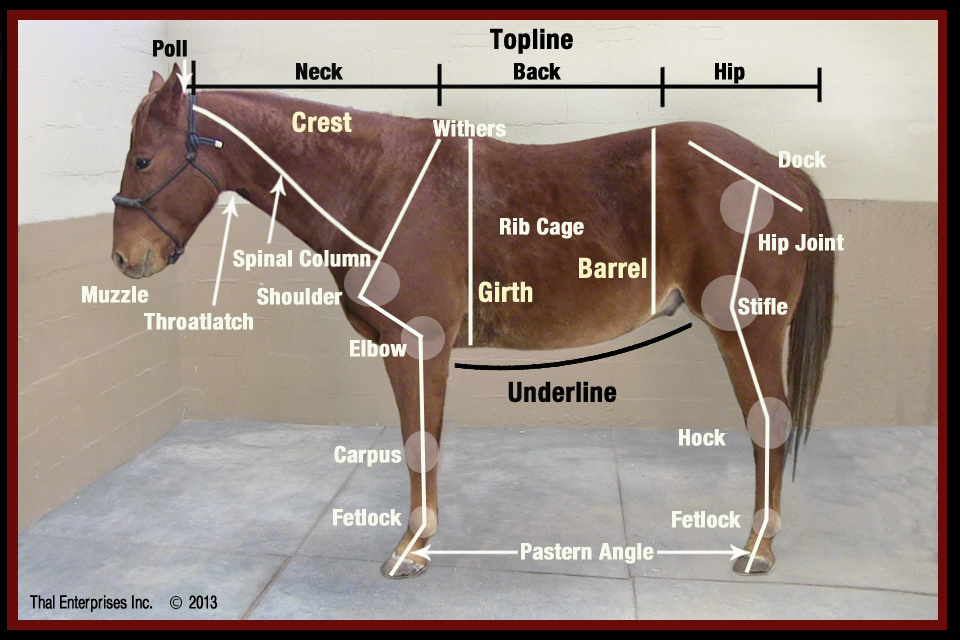
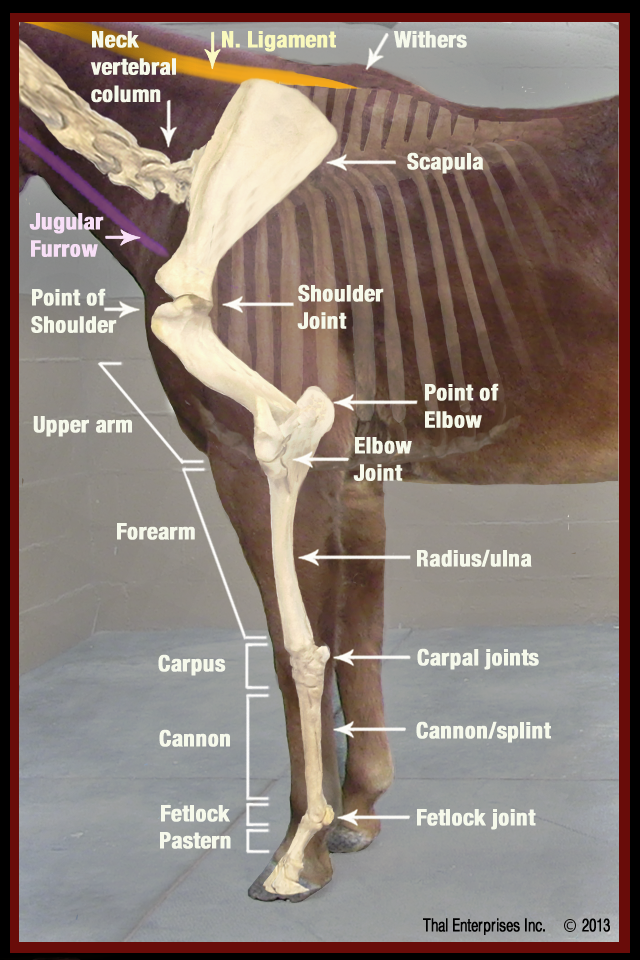
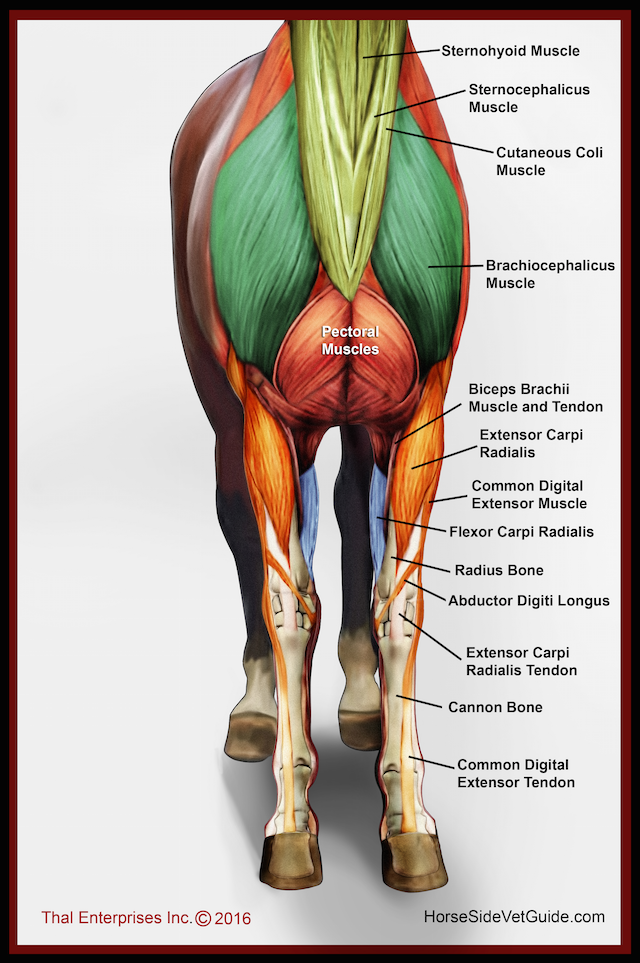
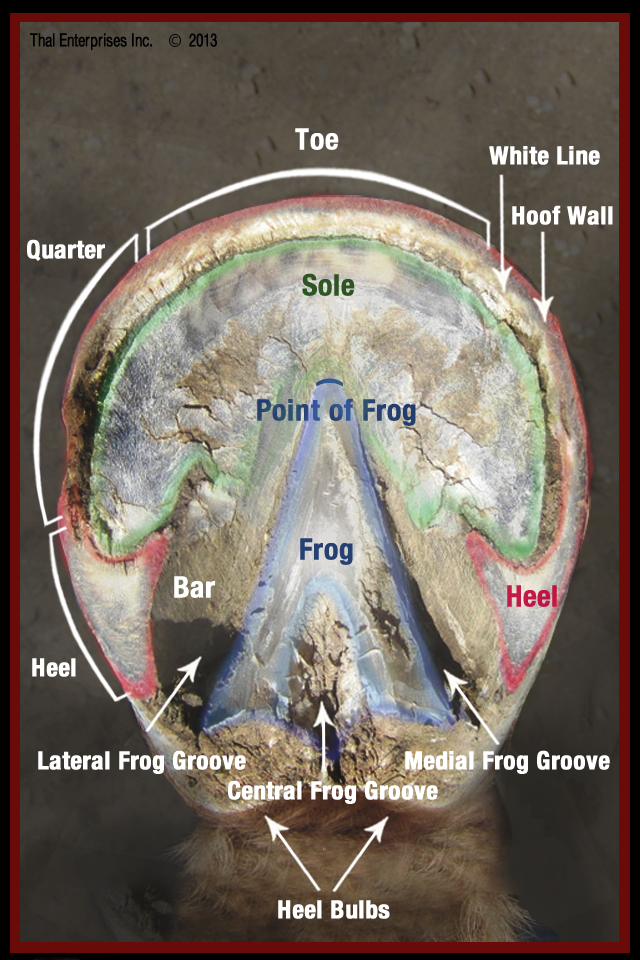
Original anatomy illustrations
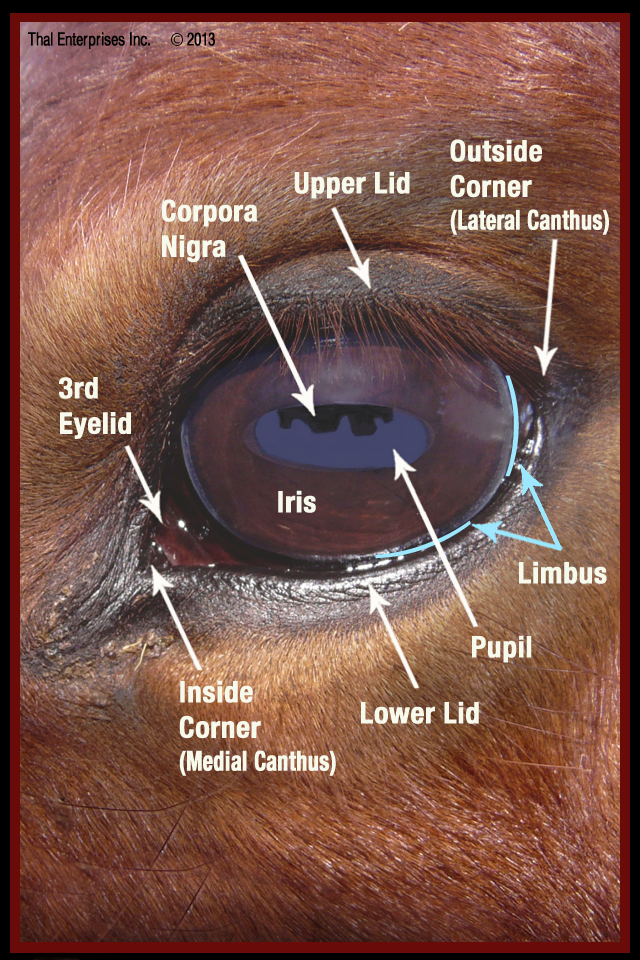
Drawn by Dr. Thal from decades of hands-on clinical experience. Detailed muscle groups, conformation types, hoof anatomy, the equine eye — art you won’t find anywhere else. Free to study and download.
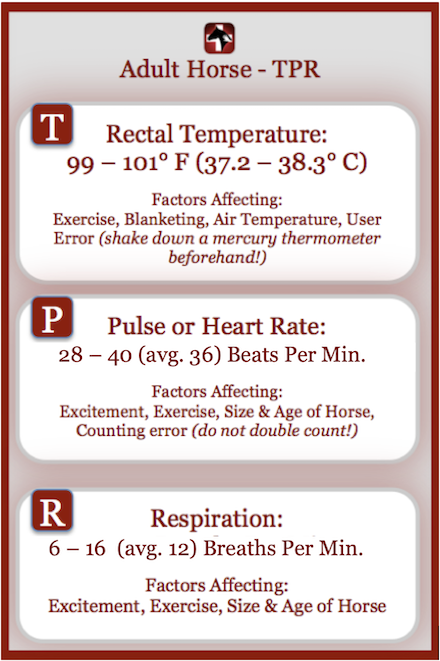
Vital signs reference cards
Normal ranges for temperature, pulse, respiration. Hay, water, urine, and manure intake. Mucous membrane colors. Foal-specific normals. Quick reference when you’re standing at the barn.
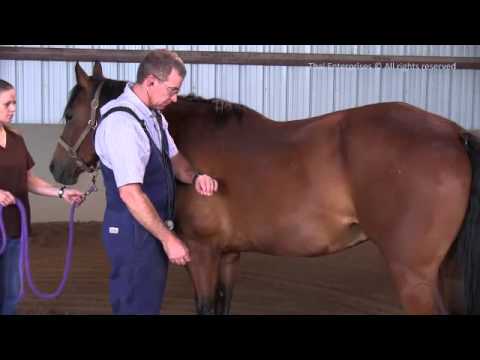
Learn with 27 how-to videos
Watch Dr. Thal demonstrate essential skills — from taking vitals to applying bandages. Clear, practical, filmed with real horses.
The Whole Horse Exam (WHE)
The complete head-to-tail systematic assessment protocol.
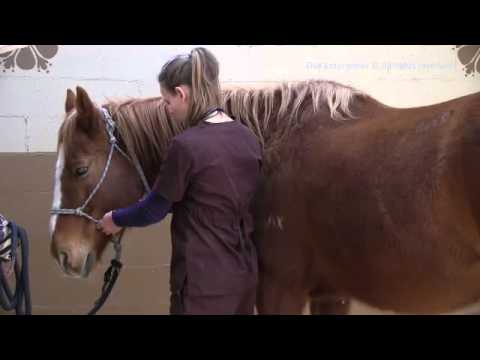
How to Take a TPR in a Horse
Measure temperature, pulse, and respiration normal ranges.
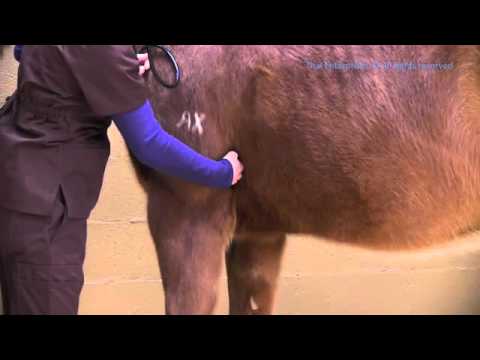
How to Take Heart Rate with Stethoscope
Stethoscope placement, counting beats, and normal ranges.
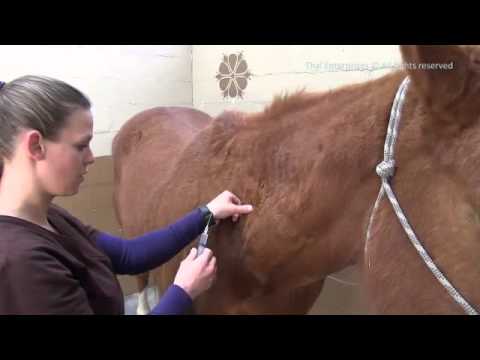
How to Give an IM Injection
Safe site selection, prep, and intramuscular technique.
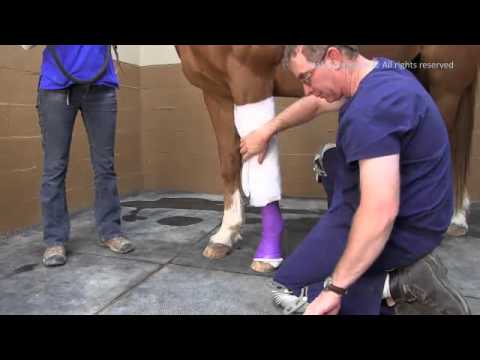
Apply a Full Limb Standing Bandage
Layer by layer support wrapping for lower limbs.
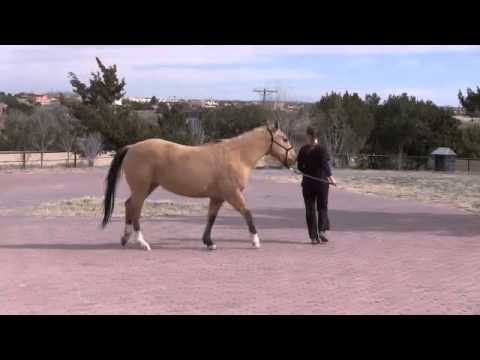
Assess Lameness at the Walk
Recognize subtle signs of gait change and head-nodding.
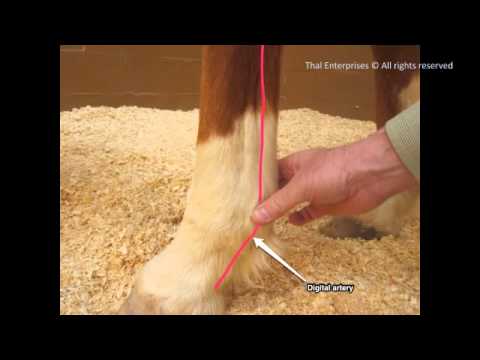
Take A Horse’s Digital Pulse
Find and evaluate pulse strength and heat in the hoof.
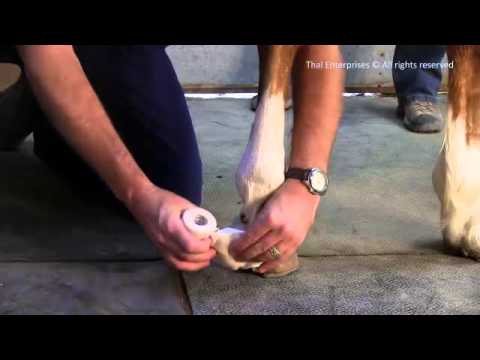
Control Bleeding with Pressure Bandage
Emergency wound management on a horse’s lower limb.
Featured Protocol
The Whole Horse Exam™
A structured health assessment you can perform yourself. Developed by Dr. Thal over 33 years of equine practice — now used by horse owners and taught in veterinary programs.
- Systematic head-to-tail assessment protocol
- Know what’s normal so you recognize what’s not
- Downloadable exam form (PDF) — also in Spanish
- Video walkthrough with a real horse
How the assistant works
It navigates a curated clinical map — not the open internet. Every answer connects to HSVG records with photos, videos, and step-by-step skills.
Tell it what you see
Type or speak — describe the problem in your own words. No medical jargon needed.
It asks the right questions
Just like a vet on the phone — it narrows down what’s happening and assesses urgency.
You get real clinical guidance
Linked to detailed HSVG records with photos, videos, and step-by-step skills — not a vague AI summary.
Built to support your veterinarian, not replace them
HSVG was created by a practicing equine vet to strengthen the partnership between horse owners and their veterinarians.
Knows when to say “call your vet”
The assistant triages urgency. When something is serious, it tells you clearly and immediately.
Teaches you what to observe
It walks you through skills your vet would want you to perform — taking vitals, assessing pain, checking digital pulse.
Makes the vet call more productive
When you arrive with observations, vitals, and context, your vet can diagnose faster and act sooner.